

%20(788%20x%20492%20px)%20(1).png)

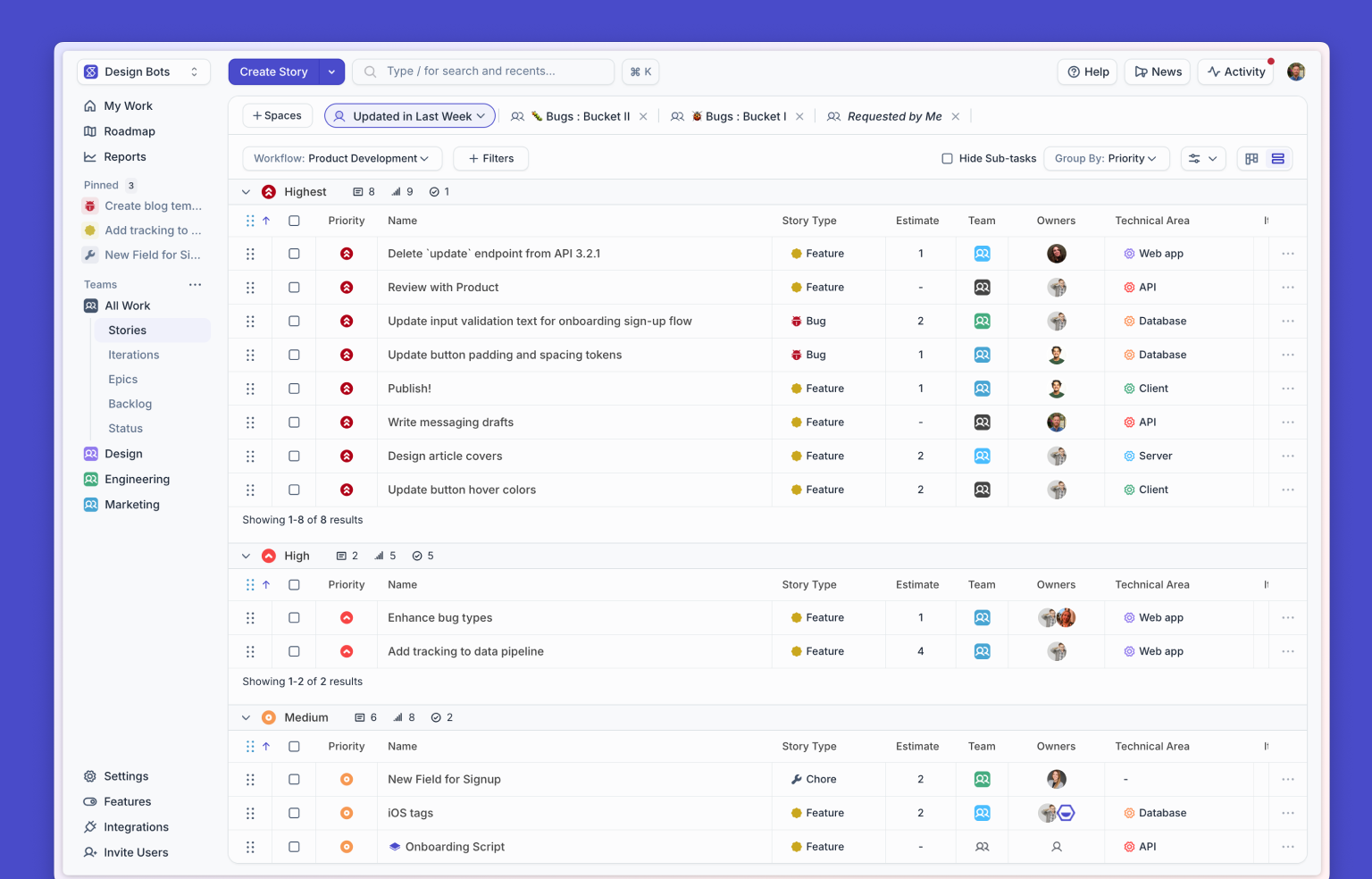
High-performing teams aren’t just setting goals for 2026. They’re building systems that adapt, align outcomes, and keep progress visible with tools like Shortcut.
TL;DR
2026 planning isn’t about more meetings or longer decks. It’s about adaptability.
The best teams are:
- Building flexible systems that can shift fast when priorities change
- Connecting work directly to measurable objectives
- Using AI tools (like Korey) to cut the busywork
- Investing in people and soft skills, not just process
- Treating planning as an ongoing loop, not a one-time event
Move Fast and Stay Flexible
The past few years have made one thing abundantly clear: adaptability isn’t optional.
The best teams plan for change, not around it. They build feedback loops into their process, shorten decision cycles, and create space to respond quickly without losing focus.
Agile principles still matter, but agility now means more than sprints — it’s about visibility, empowerment, and alignment. If your planning process takes months to finalize, it’s already out of date.
Design for Distributed Teams
Distributed work isn’t new, but the complexity is. Teams now span time zones, functions, vendors, contractors, and AI agents that generate or update work automatically.
If your planning process assumes everyone sees the same information at the same time, you’re already behind.
Focus on the fundamentals:
- One shared system of record where work and progress stay visible
- Clear rhythms for communication that don’t require everyone to be online together
- Tools that connect your workflows
When everyone is pulling from the same source of truth, alignment becomes a feature, not a fight.
Put AI to Work in Your Planning Process
AI isn’t just a productivity booster anymore, it’s a planning partner.
From writing specs to summarizing updates to forecasting progress, AI can eliminate hours of manual work and surface insights you’d otherwise miss.
Korey, Shortcut’s AI Product Manager, helps teams turn rough ideas into structured work, breaking down tasks, writing acceptance criteria, and tying everything back to measurable outcomes.
The result: less busywork, more clarity and more time to ensure you’re building toward something that matters.
Plan for Change
Even the best strategies will face reality checks. Market shifts, new tools, and evolving customer needs all test your team’s ability to adapt.
High-performing teams treat planning as a living process, not a fixed document.
Ask yourself:
- How often do we revisit priorities?
- Can we see blockers early?
- Do our goals connect to measurable impact?
- Does everyone on the team know what the objectives are?
If the answer to any of those is “not yet,” 2026 is your year to fix it.
Invest in Your Team
Even as technology accelerates, people remain your strongest competitive advantage.
Encourage continuous learning through conferences, certifications, and cross-functional training.
At Shortcut, we actively invest in professional development because when your team grows, your results follow.
Don’t Underestimate Soft Skills
Communication, empathy, and problem-solving aren’t “nice to have.” They’re the glue that holds fast-moving organizations together.
As planning becomes more automated, the ability to connect dots between teams and translate complexity into clarity becomes even more valuable.
Use Data to Drive Decisions
Data-driven planning separates assumptions from insights.
Make sure your team isn’t just tracking activity — track outcomes.
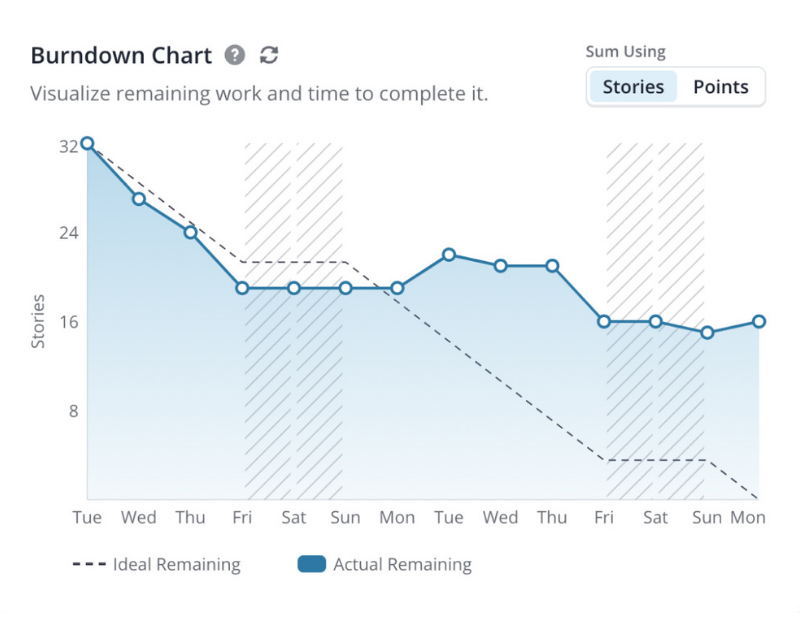
Metrics like delivery velocity, cycle time, and impact per release help you see what’s really moving the needle, so you can prioritize what matters.
Align Work to Objectives
It’s easy for day-to-day work to drift from big-picture goals.
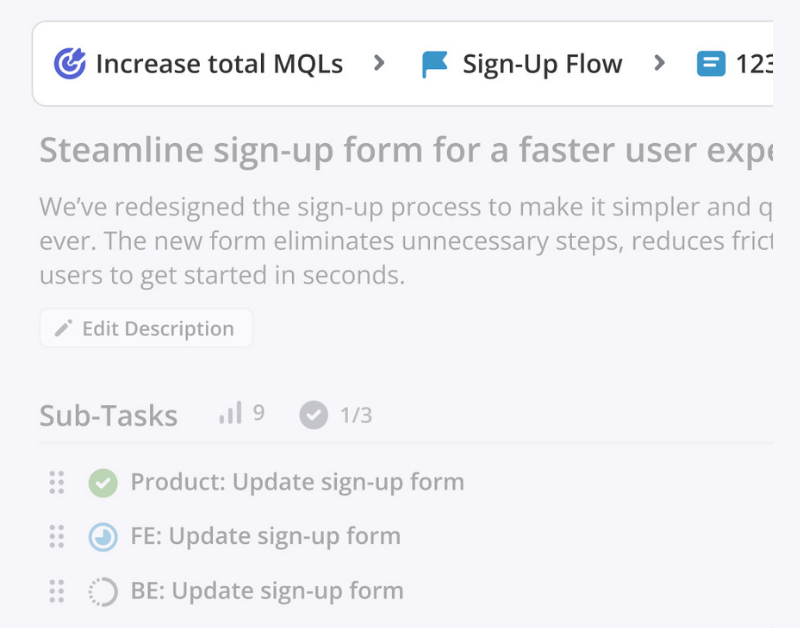
High-performing teams make alignment visible. In Shortcut, you can define company Objectives, connect Epics and Stories directly to measurable outcomes, and see progress updates in real time.
That connection turns planning into execution and strategy into results.
Ready for 2026?
Planning isn’t just about what you’ll do, it’s about how ready you are to adapt when the plan changes.
With the right systems, alignment, and tools, your team can move faster, stay focused, and make measurable progress all year long.

.png)